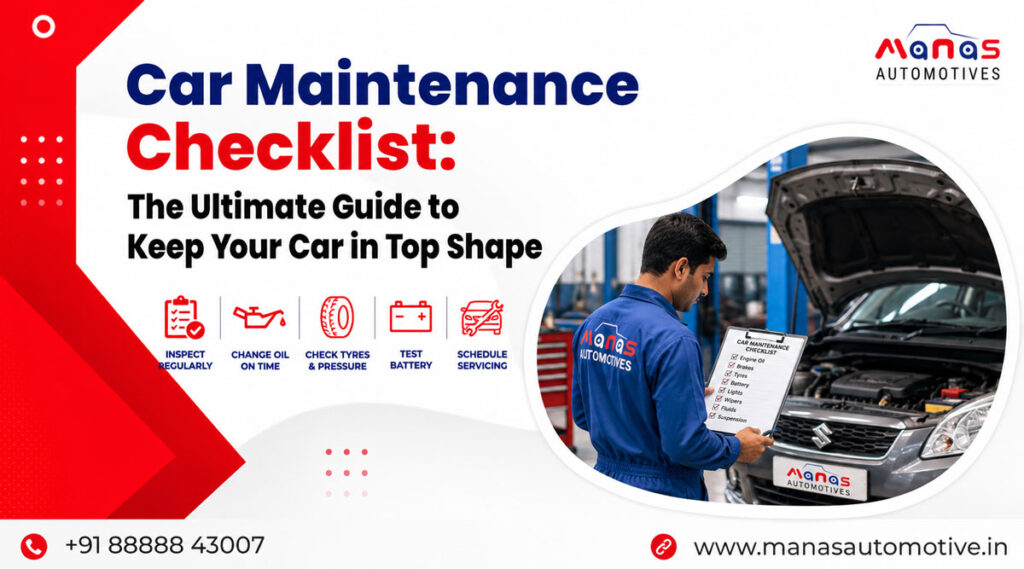
Following a proper car maintenance checklist is one of the easiest ways to keep your vehicle safe, reliable and efficient. Regular car maintenance can help identify worn-out components, low fluid levels, tyre problems and other issues before they develop into expensive repairs.
Whether you drive your car every day through city traffic or mainly use it for occasional trips, preventive maintenance matters. This vehicle maintenance checklist covers 15 essential things every car owner should check to maintain performance, fuel efficiency, safety and driving comfort.
Why Is Regular Car Maintenance Important?
A car consists of many mechanical, electrical and electronic components working together. Over time, engine oil deteriorates, tyres wear out, filters collect dirt, batteries weaken and brake components experience normal wear.
Following a regular car maintenance schedule can help:
- Reduce the chances of unexpected breakdowns
- Maintain engine performance
- Improve vehicle safety
- Identify problems at an early stage
- Maintain better fuel efficiency
- Extend the usable life of major components
- Reduce the risk of expensive repairs
- Improve overall driving comfort
The exact maintenance requirements and replacement intervals vary by vehicle model, age, mileage and driving conditions. Always refer to your vehicle owner’s manual for manufacturer-specific recommendations.
Complete Car Maintenance Checklist: 15 Essential Checks
1. Check the Engine Oil
Engine oil lubricates moving engine components and helps reduce friction, heat and wear. Low, contaminated or deteriorated oil can affect engine performance and potentially cause serious damage.
As part of your car service checklist, check the engine oil level periodically and watch for unusual changes in colour, consistency or oil consumption. Always use the oil grade and replacement interval recommended for your specific vehicle.
2. Inspect Tyre Pressure
Correct tyre pressure is important for safety, handling, tyre life and fuel efficiency. Check all tyres regularly, preferably when they are cold. Compare the pressure with the manufacturer’s recommended tyre pressure rather than relying on a generic PSI figure.
Don’t forget to inspect the spare tyre as well.
3. Check Tyre Tread and Condition
Pressure isn’t the only thing that matters. Look carefully at the tyre tread and sidewalls.
Watch for:
- Uneven tread wear
- Cuts or cracks
- Bulges
- Embedded objects
- Excessive tread wear
- Abnormal wear on one side
Uneven wear can sometimes indicate problems with wheel alignment, suspension or tyre pressure.
4. Inspect the Braking System
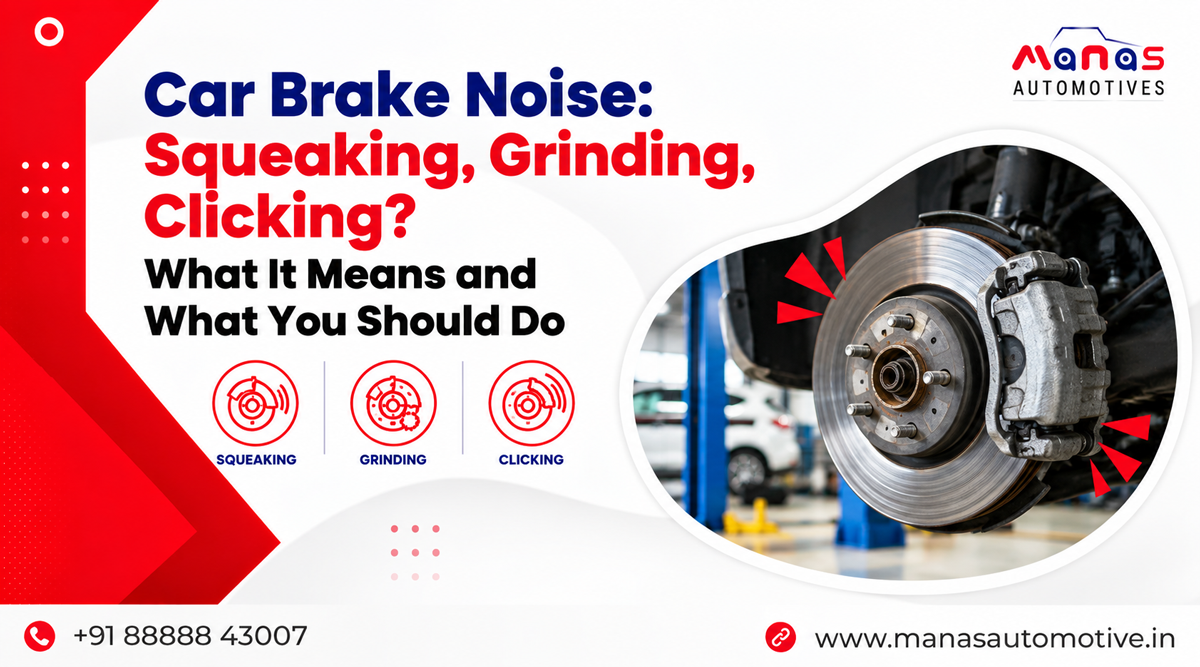
Brakes are one of the most important safety systems in your car. Pay attention to symptoms such as squeaking, grinding, vibration, reduced braking performance or an unusual brake pedal feel. These symptoms should be inspected rather than ignored.
Periodic inspection can include brake pads, discs, brake fluid and other braking components depending on the vehicle.
5. Check the Car Battery
A weak battery can leave you with a car that suddenly refuses to start. Look for corrosion around the terminals, difficulty starting the engine, dim lights or other electrical irregularities. Battery condition and charging performance can also be professionally tested during regular car maintenance.
Battery life varies considerably depending on battery type, vehicle usage, climate and electrical load.
6. Check the Coolant Level
Coolant helps regulate engine temperature and protects the cooling system. Low coolant levels or cooling-system leaks can contribute to overheating. Check the coolant reservoir according to the instructions in your owner’s manual.
Safety note: Never open a pressurised radiator or coolant cap when the engine is hot.
7. Inspect the Air Filter
Your engine needs a clean supply of air for efficient combustion. A dirty or clogged engine air filter can restrict airflow and may affect vehicle performance. Air-filter inspection should therefore be part of your preventive car maintenance routine.
Vehicles regularly driven in dusty conditions may require more frequent inspection.
8. Check the Car AC System
Your car’s air-conditioning system is particularly important during hot weather, long journeys and humid conditions.
Signs that the AC may require inspection include:
- Weak cooling
- Unusual noises
- Unpleasant odours
- Reduced airflow
- Cooling that takes unusually long
A professional car AC service can identify issues involving filters, refrigerant levels, electrical components or other parts of the system.
9. Check All Essential Fluids
Your vehicle maintenance checklist should include the fluids required by your particular vehicle.
Depending on the model, these may include:
- Engine oil
- Coolant
- Brake fluid
- Transmission fluid
- Windshield washer fluid
- Power-steering fluid
Some modern cars use electric power steering and therefore do not have conventional power-steering fluid. Always follow the owner’s manual rather than assuming every vehicle uses the same fluids.
10. Inspect the Lights
Lights are easy to overlook until one stops working.
Regularly test the:
- Headlights
- Tail lights
- Brake lights
- Indicators
- Reverse lights
- Hazard lights
- Fog lights, if equipped
Properly functioning lights help you see the road and ensure other road users can see your vehicle and understand your intentions.
11. Check Windshield Wipers and Washer System
Clear visibility is essential, particularly during Pune’s monsoon season. Replace wiper blades if they leave streaks, skip across the glass or fail to clear water effectively. Also make sure the windshield washer reservoir contains adequate fluid and the washer jets are functioning correctly.
12. Check Wheel Alignment and Balancing
If your vehicle pulls to one side, the steering wheel vibrates, or the tyres show uneven wear, wheel alignment or balancing may need attention. Proper wheel alignment and balancing can contribute to better handling, smoother driving and more even tyre wear.
An inspection is especially worthwhile after hitting a severe pothole or noticing a change in steering behaviour.
13. Inspect the Suspension
Your suspension system helps maintain vehicle stability, tyre contact and ride comfort.
Common warning signs of potential suspension problems include:
- Excessive bouncing
- Knocking noises
- Uneven tyre wear
- Poor handling
- Vehicle leaning to one side
- Unusual movement over bumps
Have these symptoms professionally diagnosed rather than replacing components based on symptoms alone.
14. Pay Attention to Dashboard Warning Lights
Modern cars continuously monitor numerous vehicle systems.
Never routinely ignore warning lights such as the:
- Check engine light
- Oil pressure warning
- Battery/charging warning
- ABS warning
- Brake warning
- Temperature warning
Different warning lights have different levels of urgency. Consult the owner’s manual and arrange professional diagnosis when necessary. A warning light tells you that the vehicle has detected something, it does not always identify the exact failed component.
learn more: Engine Warning Lights Explained: What Every Driver Should Know
15. Follow Your Periodic Car Service Schedule
Even if your car appears to be running normally, scheduled servicing is important. A periodic service allows trained technicians to inspect multiple systems and perform maintenance according to the manufacturer’s schedule. Service intervals vary between models, engines and operating conditions, so your owner’s manual should be the primary reference for deciding when maintenance is due.
Daily, Monthly and Periodic Car Maintenance Checklist
You don’t need to inspect every component every time you drive.
Before Driving or Long Trips
Quickly check for visible tyre problems, warning lights, unusual leaks and sufficient fuel or charge. Before a long journey, it is sensible to give the vehicle a more thorough inspection.
Monthly Car Maintenance
Consider checking:
- Tyre pressure and condition
- Engine oil level
- Coolant level
- Washer fluid
- Lights
- Wiper condition
- Visible battery condition
Periodic Professional Maintenance
At scheduled service intervals, technicians can perform more detailed checks of the engine, brakes, filters, battery, suspension, AC, wheel alignment and other vehicle systems as applicable.
Your vehicle’s manufacturer-recommended schedule should always take priority over a generic checklist.
Signs Your Car Needs Professional Attention
Even with regular maintenance, your vehicle may occasionally develop a problem. Arrange an inspection if you notice:
- New or unusual engine noises
- Difficulty starting
- Overheating
- Reduced braking performance
- Steering vibration
- Vehicle pulling to one side
- Significant drop in fuel efficiency
- Weak AC cooling
- Fluid leaking underneath the vehicle
- Persistent dashboard warning lights
- Burning or unusual smells
- Sudden changes in vehicle performance
Early diagnosis can often prevent a relatively small issue from developing into a more complicated repair.
Car Maintenance Tips for Better Vehicle Life
Good maintenance is not just about replacing parts. Your driving and ownership habits also matter.
Avoid ignoring warning lights, maintain correct tyre pressure, follow the recommended service schedule, use manufacturer-specified fluids and parts, and investigate unusual sounds or performance changes promptly.
Keep your service records as well. A clear maintenance history makes it easier to understand what has already been inspected or replaced and what may be due next.
Car Maintenance and Servicing in Pune
For drivers looking for professional car service in Pune, Manas Automotive provides periodic maintenance and vehicle care from its service facility in Karve Nagar, Pune.
As a Maruti Suzuki Authorised Service Station, Manas Automotive offers services including periodic maintenance, car AC repair and servicing, battery testing and replacement, wheel alignment and balancing, washing, interior cleaning and car detailing.
Professional inspection is particularly valuable when you notice a warning sign or when your vehicle reaches a manufacturer-recommended service interval.
Final Thoughts
A consistent car maintenance checklist can help you detect problems earlier, maintain safe vehicle operation and avoid unnecessary breakdowns.
Remember these 15 essentials: engine oil, tyre pressure, tyre condition, brakes, battery, coolant, air filter, AC, fluids, lights, wipers, wheel alignment, suspension, dashboard warnings and periodic servicing.
Most importantly, don’t wait for a breakdown before thinking about maintenance. Combine simple owner checks with manufacturer-recommended professional servicing to keep your vehicle dependable for the road ahead.
FAQs About Car Maintenance
1. What should be included in a basic car maintenance checklist?
A basic car maintenance checklist should cover engine oil, tyres, brakes, battery, coolant, filters, AC, essential fluids, lights, wipers, wheel alignment, suspension and dashboard warning lights. Periodic professional servicing should also be performed according to the manufacturer’s schedule.
2. How often should I check my car?
Simple items such as tyres, lights and warning indicators can be monitored frequently. Fluids and other components should be checked periodically, while professional service intervals should follow the schedule specified in your vehicle owner’s manual.
3. How do I know when my car needs servicing?
Common signs include dashboard warning lights, unusual noises, poor braking, steering vibration, overheating, difficulty starting, reduced AC performance, fluid leaks or noticeable changes in vehicle performance. You should also service the vehicle when its scheduled maintenance interval is due.
4. Why is preventive car maintenance important?
Preventive maintenance helps identify wear and developing problems before they lead to breakdowns or more extensive repairs. It also supports vehicle safety, reliability, performance and long-term usability.
5. What fluids should I regularly check in my car?
Depending on the vehicle, important fluids can include engine oil, coolant, brake fluid, transmission fluid and windshield washer fluid. Some vehicles may have additional fluids, while others may not use certain conventional fluids. Check the owner’s manual for your specific model.
6. How can I improve the life of my car?
Follow the manufacturer’s maintenance schedule, maintain correct tyre pressure, use recommended fluids and parts, address warning lights promptly, avoid aggressive driving and have unusual noises or performance changes diagnosed early.
7. Should I service my car even if it is running properly?
Yes. Many maintenance requirements are preventive and may become due before obvious symptoms appear. Follow the time- or mileage-based schedule specified by your vehicle manufacturer.
8. Where can I get professional car maintenance in Pune?
Manas Automotive in Karve Nagar, Pune provides periodic maintenance and other vehicle-care services. It is a Maruti Suzuki Authorised Service Station offering professional servicing, repairs and genuine spare-parts support.